
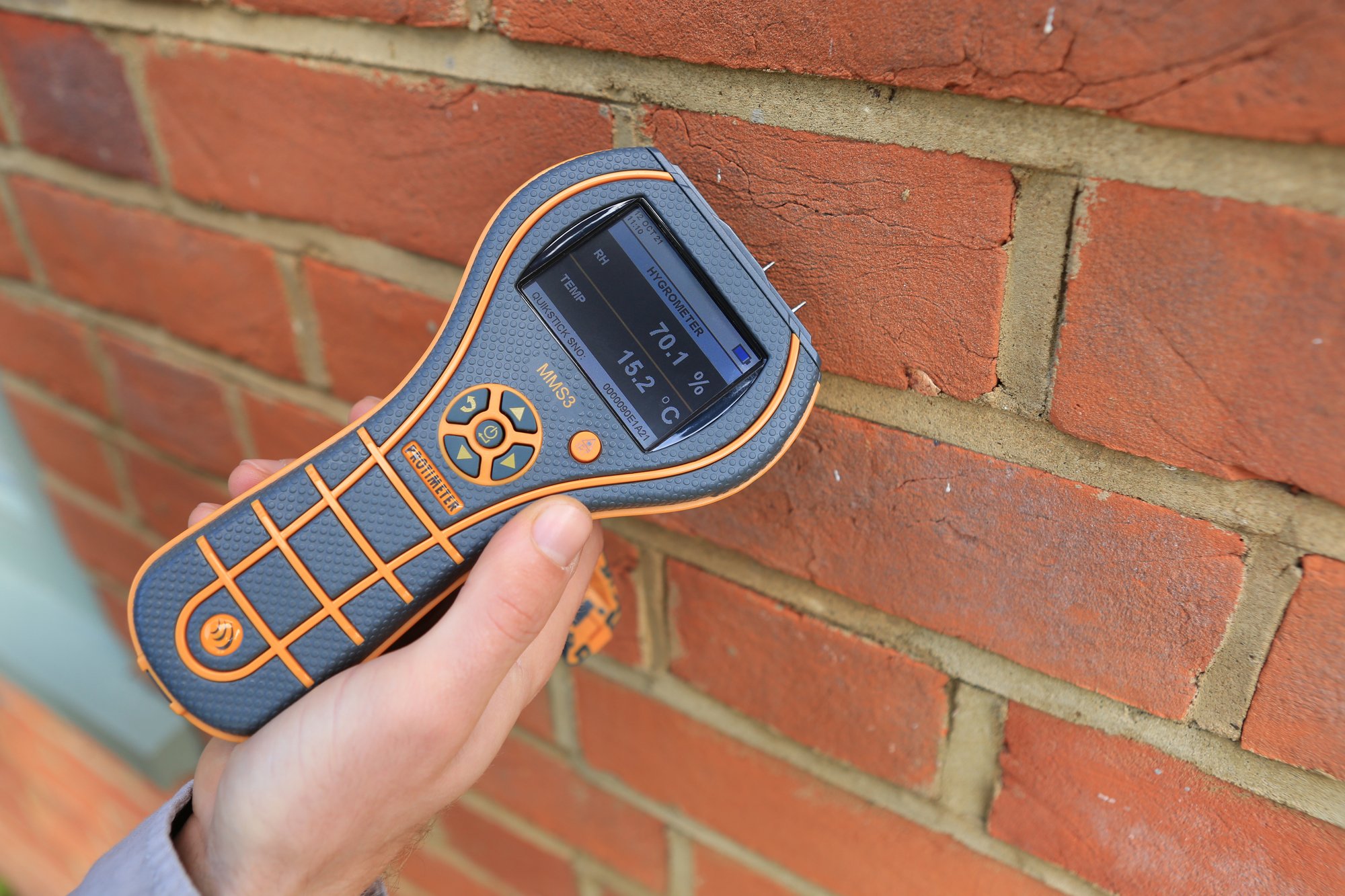
Humidity readings are only as reliable as the instrument providing them. Knowing how to calibrate a hygrometer – or more accurately, how to verify its accuracy – keeps those readings dependable.
Even a high-quality device can drift over time due to sensor wear or changing conditions. Regular checks confirm that your readings remain trustworthy and consistent.
True calibration requires laboratory equipment and controlled standards. In the field, what you’re really doing is verifying accuracy, not recalibrating the instrument.
This guide outlines how to perform that verification properly and recognize when professional service is needed.
Why Does Hygrometer Accuracy Change Over Time?
Even precise instruments can shift slightly as they age. Hygrometers rely on sensitive components that respond to moisture in the air, and those materials gradually change with repeated exposure.
Over time, small differences begin to appear in readings. These shifts don’t always indicate damage – they’re often the result of normal wear.
Common causes of drift include:
-
Continuous exposure to high humidity
-
Improper storage or handling
-
Dust or chemical residue on sensors
-
Natural aging of internal materials
Environmental conditions play a major part. Hygrometers used in crawl spaces, restoration projects, or humid climates experience more variation than those stored in stable environments.
Note: Drift is normal over time. The goal isn’t to prevent it completely, but to recognize when it’s happening and verify that readings remain within an acceptable range.
Routine verification helps identify changes early, keeping your data consistent and dependable – and letting you know when professional calibration or service is worth scheduling.
Verification vs. Calibration
Many professionals search how to calibrate a hygrometer when readings start to drift. In most cases, what’s actually needed is verification – a quick accuracy check of the meter and sensor working together, rather than a full recalibration.
Calibration adjusts an instrument to meet a certified reference standard. It’s performed by trained technicians using specialized equipment in a controlled environment.
Professional Calibration & ServiceFor users in North America, meters can be sent to St. Mary’s, PA through Protimeter’s RMA process. Outside of North America, contact the customer care team in Taunton, UK or work with our partner distributor for assistance. |
Verification confirms that your hygrometer still provides reliable results in the field. It’s a straightforward process any user can perform to check that readings fall within an acceptable range.
|
Process |
Who Performs It |
Where It’s Done |
Purpose |
|
Calibration |
Certified technician |
Laboratory |
Adjust device to traceable standards |
|
Verification |
Field professional or user |
Job site or workspace |
Confirm readings remain accurate |
Note: The steps in this guide describe verification, not calibration. True hygrometer calibration procedures require specialized tools and reference instruments.
How to Verify Your Hygrometer’s Accuracy (Not Calibrate It)
Verification confirms that your hygrometer is still reading humidity accurately under real-world conditions. The goal isn’t to adjust the device, but to check its performance against a reliable standard.
Online guides often suggest using a homemade salt solution for a calibration test. For more consistent results, Protimeter recommends using a factory-reference salt standard. The BLD4960 Salt Calibration Check, used with the BLD4960-AD Adapter for HygroStick sensors, provides a stable 75% RH reference point for verifying that a Protimeter hygrometer is operating within specification.
Step-by-Step: Verifying Hygrometer Accuracy
1. Prepare the equipment
Attach your hygrometer probe, such as a HygroStick, to the meter. Insert the probe into the BLD4960 Salt Calibration Check chamber using the BLD4960-AD Adapter.
2. Stabilize the setup
Place the chamber in a temperature-stable environment, away from drafts or direct sunlight. Allow the system to stabilize for 24 hours.
3. Confirm the reference reading
After stabilization, compare the meter reading to the expected 75% RH reference value.
4. Record the difference
Note how closely the measured value aligns with the reference point.
5. Interpret the Results
|
Difference |
Meaning |
Recommended Action |
|
±0–3% RH |
Acceptable range |
Continue normal use |
|
±4–5% RH |
Minor deviation |
Recheck readings; replacing the probe may be appropriate |
|
>±5% RH |
Out of tolerance |
Replace the probe first; if readings remain out of range, send the meter for professional calibration |
When to Request Professional Calibration or Service
Even with regular verification, every hygrometer will eventually need professional calibration or service. Knowing when to schedule it helps maintain dependable readings and avoids unnecessary downtime.
Contact a professional calibration service if:
- The hygrometer shows a difference greater than ±5% RH during verification.
- You rely on the readings for regulatory documentation, insurance reports, or client data.
- The instrument has been exposed to extreme temperatures, water intrusion, or chemical residue.
- Physical damage or corrosion is visible on sensors or connectors.
Routine verification helps catch drift early, but professional calibration resets accuracy to certified standards. It’s an important step when field checks no longer confirm reliability.
Note: As a general guideline, verify accuracy every 6–12 months, or more frequently in high-use or high-humidity environments. Schedule professional calibration if readings continue to fall outside acceptable limits.
Maintaining a consistent verification and service routine keeps your hygrometer dependable for every project, inspection, or report.
FAQ: How to Calibrate a Hygrometer (or Verify)Even with a clear process, questions often come up about how to calibrate a hygrometer – or more accurately, how to verify its accuracy in the field. These quick answers address common concerns and help keep your readings dependable between professional calibrations. Q: How accurate should my hygrometer be after verification?A: A properly functioning hygrometer should stay within ±3% RH of the reference value after verification. That’s considered acceptable for most restoration, inspection, and environmental monitoring work. A few points of difference are normal, especially with aging sensors or minor environmental fluctuations. If the difference grows to ±5% RH or more, it’s time to schedule professional calibration. Keeping a record of verification results over time helps track performance and detect slow drift before it impacts data quality. Regular checks give you confidence that your measurements still reflect real-world humidity levels. Q: What environmental conditions are best for performing verification?A: Verification should take place in a steady, indoor environment – no drafts, direct sunlight, or temperature swings. A quiet, climate-controlled room works best. Once the hygrometer and surroundings reach balance, you’ll get readings that truly reflect the instrument’s accuracy rather than external fluctuations. Q: How can I be sure my salt test is accurate?A: The salt test is reliable as long as the mixture is made correctly. The salt should be damp enough to clump together, not dissolve. Too much water throws off the humidity level inside the container, leading to false results. A small, airtight container is important. If air leaks in or the lid is opened before the test finishes, the humidity won’t stabilize. Let the setup rest for at least 8–12 hours, then compare the reading to the expected 75% RH level. Using ordinary table salt is ideal – there’s no need for specialty types. |
How to Calibrate a Hygrometer and Keep It Accurate
Knowing how to calibrate a hygrometer begins with checking accuracy in the right way. In most situations, that means verifying readings rather than performing a full calibration.
Regular checks and professional service when needed keep your hygrometer reliable for every job. A few minutes of attention can prevent larger problems and support accurate reporting across your work.
Protimeter hygrometers are built for dependable results, and simple verification is the best way to keep them performing as expected.
Once you've confirmed your hygrometer's accuracy, those reliable readings become the foundation for identifying moisture problems before they escalate. Precise humidity measurement is especially critical when assessing condensation risk in buildings.
Take Humidity Measurement Further
Get the Building Surveyor’s Guide: Measuring Condensation in Buildings and learn how precise humidity readings help prevent condensation issues and protect building performance.
