
How much water is hiding in your sand?
Probably more than you think and it changes more often than many people realize. The moisture content of sand doesn't stay the same. Weather, storage conditions, and handling can all change how much water is present before the material is ever mixed into concrete or other construction materials.
Knowing the moisture content of sand gives you a better understanding of the material before it's put to use. The good news is that measuring the moisture content of sand is straightforward once you understand the process. 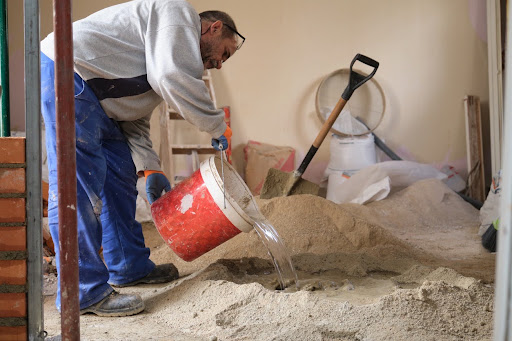
Why the Moisture Content of Sand Never Stays the Same
Sand doesn't hold the same amount of water every day. Even when it comes from the same supplier, moisture levels can change before the material is ever mixed.
What Causes Sand Moisture To Change?
Several factors influence how much water is present in a sand sample, including:
- Weather: Rainfall can quickly increase the amount of moisture in a stockpile.
- Humidity: Sand naturally absorbs and releases moisture as humidity changes.
- Storage conditions: Covered stockpiles are less exposed to moisture than sand stored in the open.
- Drainage: Water may collect in some areas of a pile while other areas remain relatively dry.
The moisture content of sand is simply the amount of water contained within a sand sample. Some of that water coats individual sand particles, while some fills the spaces between them. Because those moisture levels are constantly changing, appearance alone isn't a reliable way to judge how much water is present.
Why Does Measuring Sand Moisture Matter?
The amount of moisture already present in sand affects the amount of water added during mixing. When producing concrete, even small changes in sand moisture can change the final mix if they aren't accounted for.That's why the moisture content of sand is measured before mixing begins to help determine how much additional water should be added for a more consistent result.
|
Higher Moisture Content |
Lower Moisture Content |
|
More water is already present in the sand. |
Less water is already present in the sand. |
|
Can increase the water-cement ratio if adjustments aren't made. |
May require additional water to achieve the desired mix. |
|
May contribute to shrinkage or surface cracking. |
Can affect workability during mixing. |
|
Can reduce the strength of the finished material. |
Can make mix consistency more difficult to maintain. |
The Math Behind Sand Moisture Isn't Complicated
Calculating the moisture content of sand comes down to comparing two measurements: the weight of the sample before drying and the weight after drying. The difference between those two measurements is the amount of water that was present in the sand.
Calculating the Moisture Content of Sand
- Weigh the sand sample before drying (wet weight).
- Dry the sample until it reaches a constant weight.
- Weigh the sample again (dry weight).
- Calculate the moisture content using the following formula:
Moisture Content (%) = [(Wet Weight − Dry Weight) ÷ Dry Weight] × 100
For Example:
Imagine a sand sample weighs 520 g before drying and 500 g after drying.
- Wet weight: 520 g
- Dry weight: 500 g
- Water removed: 20 g
Moisture Content (%) = [(520 − 500) ÷ 500] × 100
Moisture Content = 4.0%
In this example, the moisture content is 4.0%, meaning the weight of the water in the sample is equal to 4% of the dry weight of the sand.
Not Every Sand Moisture Test Works the Same Way
There are several ways to measure the moisture content of sand, but they all start with one thing: a representative sample. If the sample doesn't accurately reflect the material being used, the results won't accurately reflect its moisture content either.
The Traditional Oven-Dry Method
The oven-dry method is one of the most widely used approaches for determining the moisture content of sand. It compares the weight of a sample before and after drying to calculate how much water was present.
The process typically looks like this:
- Collect a representative sand sample.
- Record the sample's wet weight.
- Dry the sample until it reaches a constant weight.
- Record the dry weight.
- Calculate the moisture content using the standard formula.
The oven-dry method is commonly used because it's straightforward and produces reliable results. The process takes longer than other testing methods because the sample must dry completely before it can be measured. Depending on the sample size and drying method, it can take hours before the moisture content is known.
Can You Measure Sand Moisture Without an Oven?
The oven-dry method has been used for years, but it isn't the only way to measure the moisture content of sand. Other testing methods use different technologies to determine how much water is present, making them a practical option when results are needed sooner.
Some of the methods used to measure sand moisture include:
- Calcium carbide testing: Uses a chemical reaction to determine the moisture content of a sand sample. The pressure created during the reaction is used to calculate the amount of water present.
- Moisture meters: Measure moisture by evaluating the electrical or electromagnetic properties of the material. They can provide quick readings without drying the sample.
- Moisture probes: Continuously monitor moisture within stockpiles, hoppers, or processing equipment. This allows operators to track changing moisture conditions throughout production.
Measure First, Mix Second
The moisture content of sand doesn't stay the same, which is why testing is an important part of many construction and material production processes. Knowing how much water is already present gives you better information before the sand is put to use.
No matter which testing method you choose, understanding the moisture content of sand starts with measurement instead of guesswork.
Need Faster Results in the Field?
The Large Speedy measures the moisture content of sand without waiting for oven drying, making it a practical option for field testing and production environments.
